Born on 14 December 1920, Rosemary Sutcliff became one of the most influential children’s authors to be associated with Oxford University Press. She and many others have spoken how a life shaped by living with Still’s Disease gave her a unique perspective. Talking to the Times in 1969, she recounted that if she been born then and not nearly fifty years before, prompt treatment would likely have seen her fully recovered and not having to lead her life with impaired mobility.
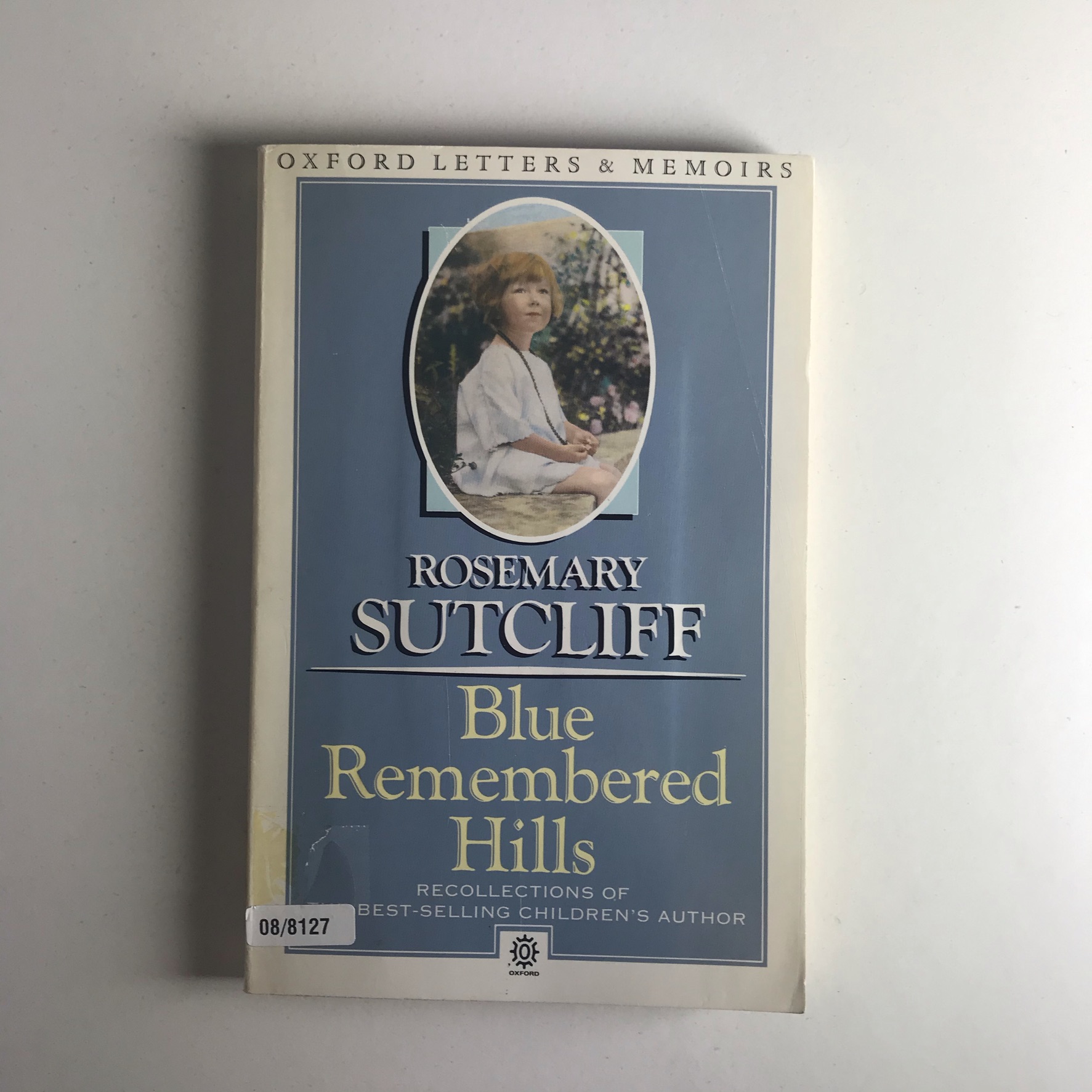
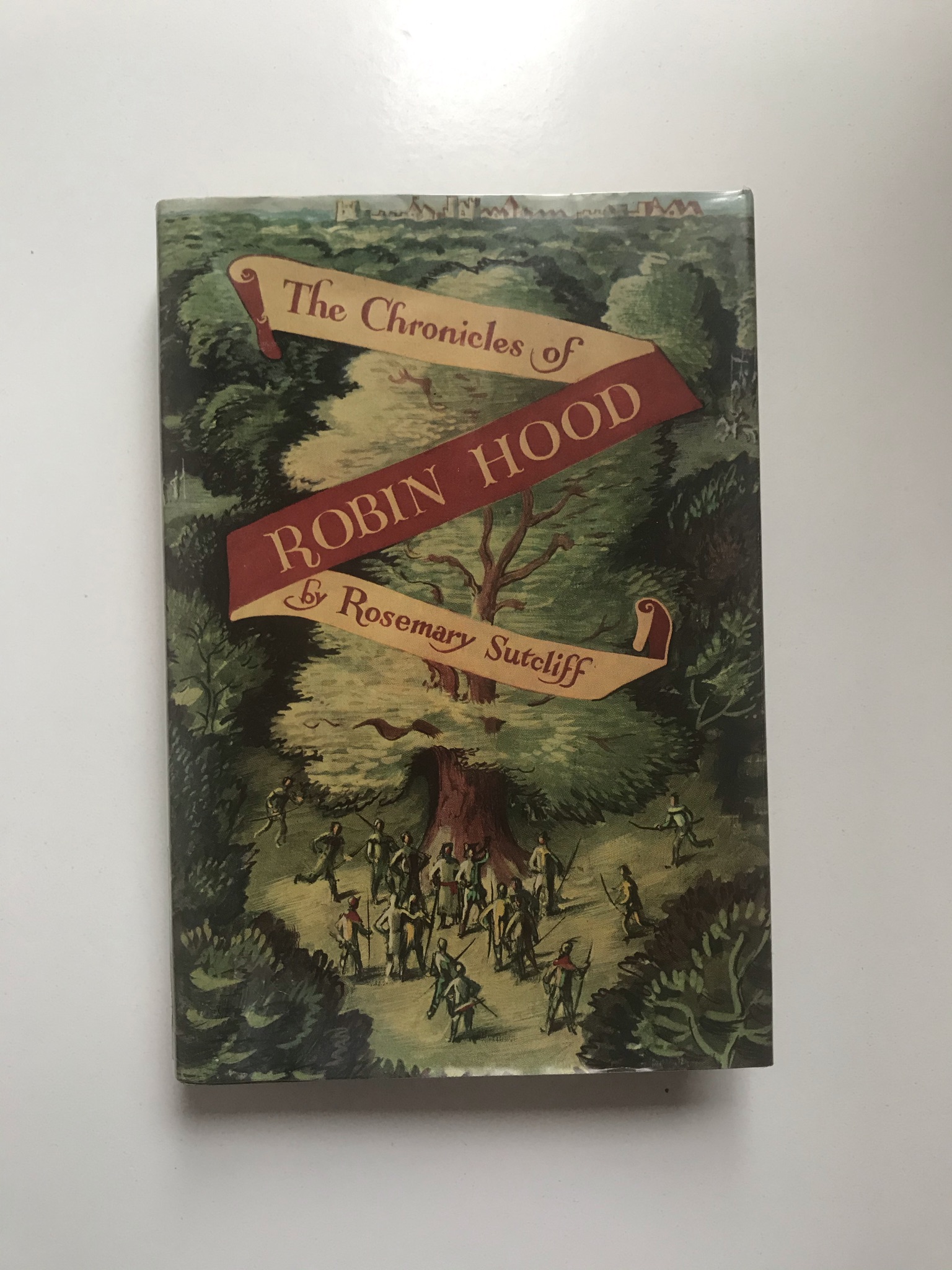
Her memoir, Blue Remembered Hills, first published when she was 63, and in an Oxford paperback a year later, ends where our part in her story begins. Two books were written and submitted to OUP’s children’s editorial office in London, then still at Amen House near St Paul’s. The first arrived as a sample chapter in 1947, and after redrafting, encouragement from staff, and a period of eighteen months where the manuscript was missing in action at a typing agency, OUP published The Chronicles of Robin Hood in 1950.
Sutcliff’s subsequent pre-Eagle books were all set in the sixteenth century. The first of these, The Queen Elizabeth Story, was the other book sent to the London office and also published in 1950. Reviews of her output were mixed until, four years later, Eagle appeared and, in the words of Gillian Avery in the Oxford Dictionary of National Biography, her writing took ‘an extraordinary step forward’.
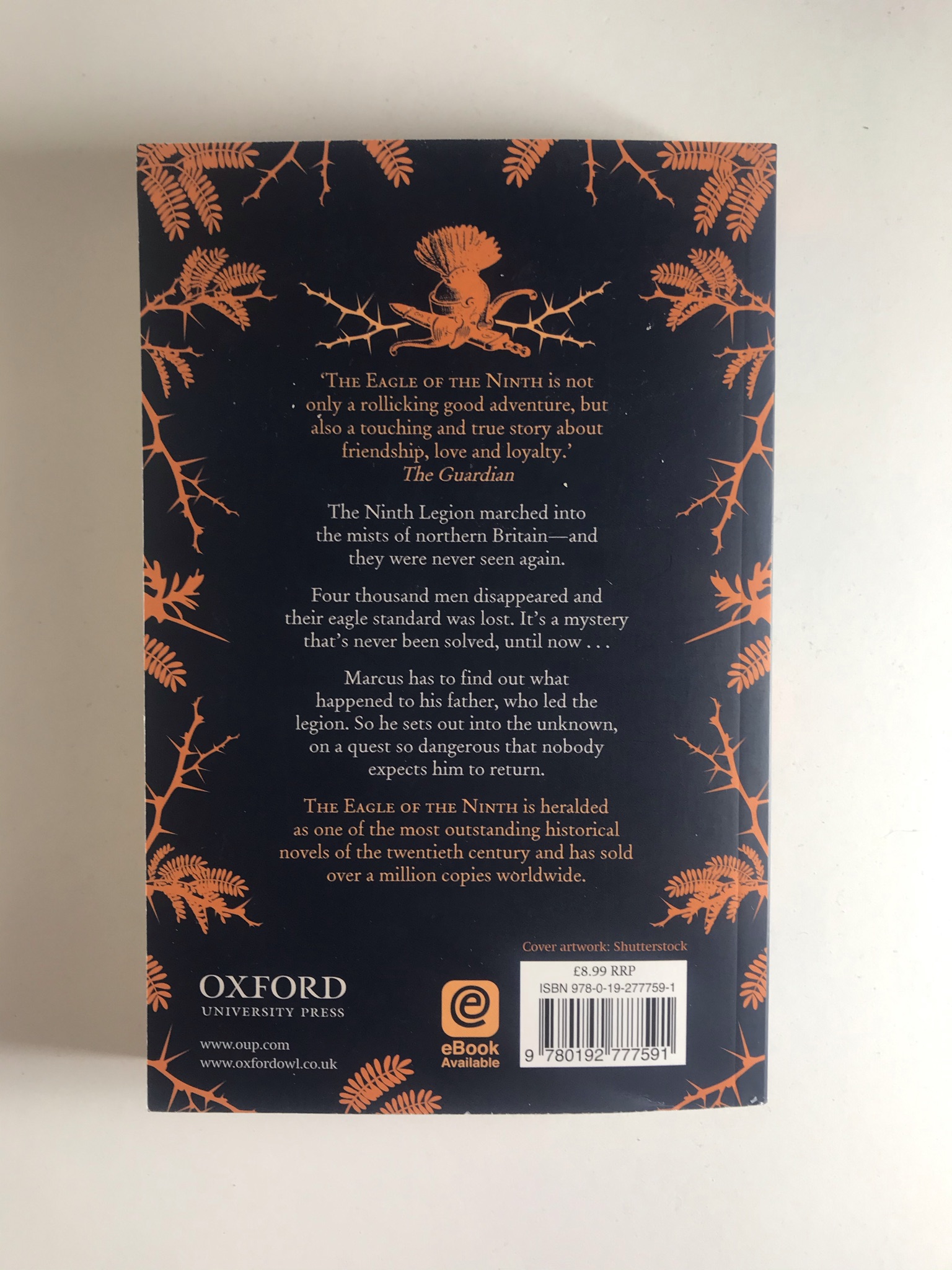
A TLS review published on 19 November 1954 was already seeing the legacy of Kipling’s India in Sutcliff’s work but saw its proto-postcolonial, nuanced representation of the Roman occupiers, British natives, and the relations between them as being ‘too sentimentally twentieth century’. Later readers have seen this humanizing and binary-smashing characteristic of Sutcliff’s writing as a path to modernity in writing for children, and analogizes her writing, in the case of Philip Burton, with a number of near-contemporary novels about a far more recent conflict: The Dam Busters and The Cruel Sea (both set in the Second World War and both published in 1951) are given as examples of novels who engage in a similar debate over the wrongness of seeking revenge for its own sake. Burton also analogizes hero Marcus’s quest – not to gain treasure for its own sake but to make sure it can’t be put to undue ends – as akin to that of Frodo Baggins: The Fellowship of the Ring was published the same year as Eagle.
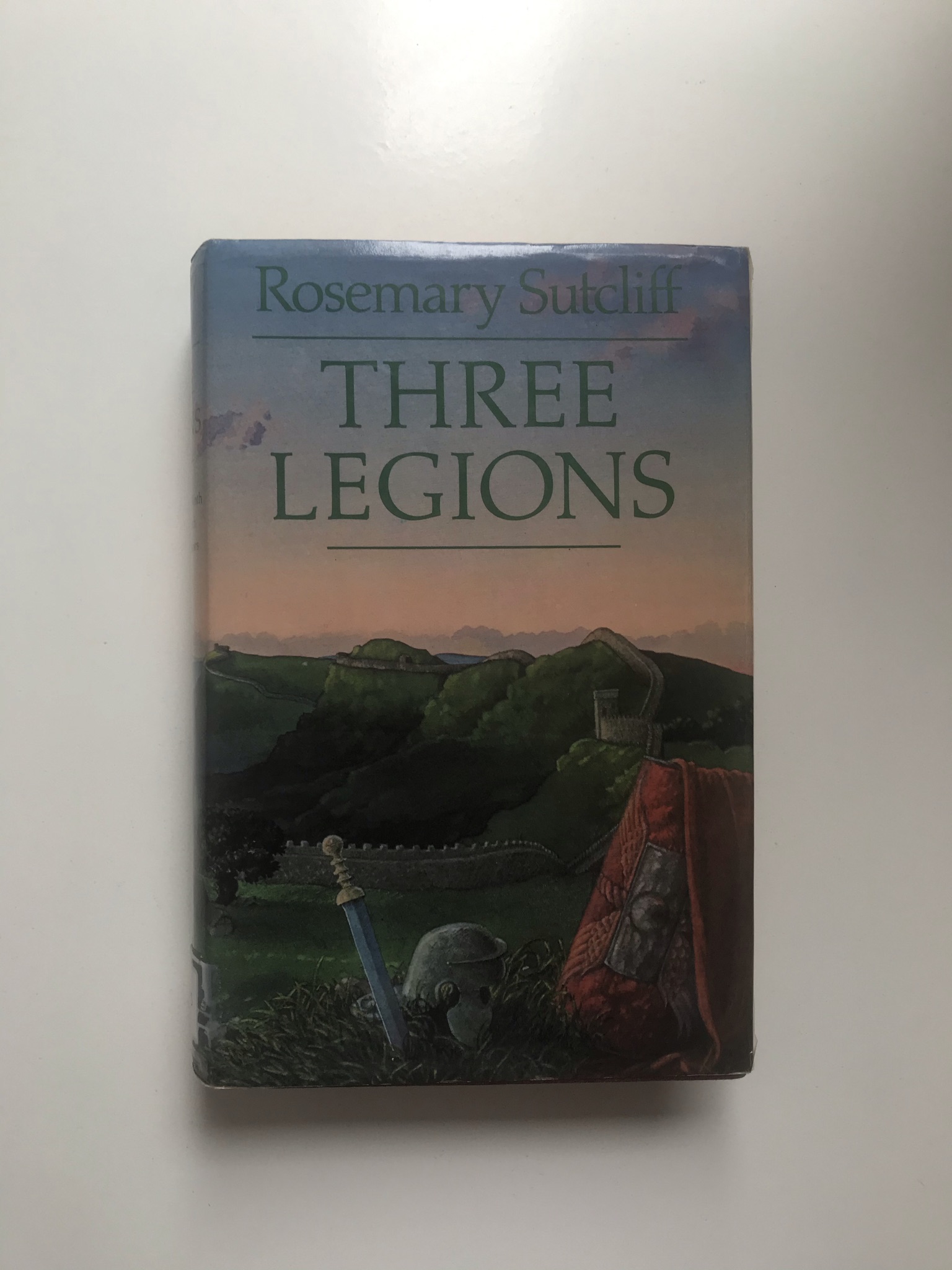
By 1955, the Press’s advertisement for its coming season’s publishing was already referring to her as ‘renowned’, and in 1959 The Lantern Bearers, the third novel in the same world as Eagle, won the Carnegie Medal. In 1980, to coincide with the publication of Frontier Wolf, a fourth novel with connections to their plots, Eagle, The Silver Branch and The Lantern Bearers were published in one volume as Three Legions: this edition is still available as The Eagle of the Ninth Chronicles.